
CertiRun / Sourcing Strategy
Truck Parts Sourcing Service from China
This truck parts sourcing service is built for commercial vehicle buyers who need supplier comparison, quotation consolidation, and multi-supplier container planning in one workflow. The goal is to reduce landed cost, improve inventory structure, and support healthier repeat-order cycles.
Why the Traditional Buying Pattern Creates Friction
Many aftermarket buyers do not need one full container of a single product line at one time. But if they buy vertically from only one supplier, they often face a difficult trade-off between shipping efficiency and healthy inventory levels.
Many buyers do not have enough demand in a single product line to fill a container efficiently without distorting the order.
When the container target drives the order, buyers often take too much of a few SKUs and create inventory that moves slower than planned.
Overstocked items absorb freight, storage, and cash that could otherwise support faster-moving replenishment and repeat orders.
The Two Strategic Advantages
The commercial advantage comes from how the order is built before shipment: the supplier mix, the SKU mix, and the loading plan all affect cost, turnover, and the quality of the next reorder cycle.
CertiRun can combine products from multiple approved suppliers into one container, helping buyers spread freight and export overhead across a broader and more practical order mix.
- Lower landed cost than treating each factory order as a separate shipment
- Better container utilization without forcing excess volume into one SKU family
- One coordinated loading and document path across mixed supplier cargo
Instead of overcommitting to a narrow product line, buyers can source the mix they actually need across multiple SKUs and build a healthier inventory structure with the same budget.
- More stock depth in the right fast- and medium-moving lines
- Cleaner replenishment logic based on demand rather than container pressure
- Better cash-flow efficiency and stronger reorder probability
Benchmark Snapshot
Read the full analysis →The strategy is supported by two benchmark views: an indicative freight model based on public April 2026 lane references, and an illustrative distributor model comparing concentrated buying with balanced multi-SKU replenishment.
If you want the operational side behind this service model, review our sourcing support capabilities. If you want to see the RFQ path from inquiry to delivery, go to how the workflow works.
container loading can roughly halve implied freight cost per CBM
Based on an April 2026 public-lane benchmark model using 20GP capacity normalization.
inventory turnover improvement under a balanced multi-SKU sourcing model
Illustrative distributor model comparing concentrated buying with a balanced replenishment mix.
inventory days in the same illustrative model
Shows how reducing slow-moving overstock can improve capital rotation and reorder timing.
gross margin return on inventory in the same model
Illustrates how healthier SKU balance can make the same inventory budget more productive.
Single-Line Buying vs. Balanced Container Logic
The difference is practical. When container planning follows real SKU demand instead of one supplier's volume, buyers can protect both freight efficiency and stock movement.
- Container planning depends on one product range alone
- Buyers may increase quantities mainly to reach shipping efficiency
- A narrow SKU mix can leave stock unbalanced after arrival
- Cash is tied more heavily to a few lines and slower sell-through risk rises
- Multiple needed SKUs can be built into one container across suppliers
- Order volume follows market demand more closely instead of filling space
- Inventory arrives in a more balanced structure for sales and replenishment
- Stable quality and supply consistency support cleaner repeat-order cycles
What Buyers Gain with the Same Budget
The goal is not simply to move cargo. The goal is to turn the same purchasing budget into a more productive inventory position and a stronger follow-up order pattern.
Freight efficiency improves when multiple supplier orders move as one managed shipment.
Budget can be distributed across the SKUs buyers truly need instead of overloading a few items.
Balanced purchasing makes it easier for inventory to move in line with actual market demand.
Capital is less likely to be trapped in slow-moving stock created only for shipping convenience.
A healthier stock mix makes repeat ordering more practical when quality and supply remain stable.
Supplier comparison, QC, packing review, and export follow-up keep the model operationally controlled.
How the Sourcing Process Works in Practice
The strategy only performs when execution is disciplined. RFQ clarification, technical matching, supplier comparison, QC, and shipment coordination are what turn the sourcing logic into a workable commercial result.
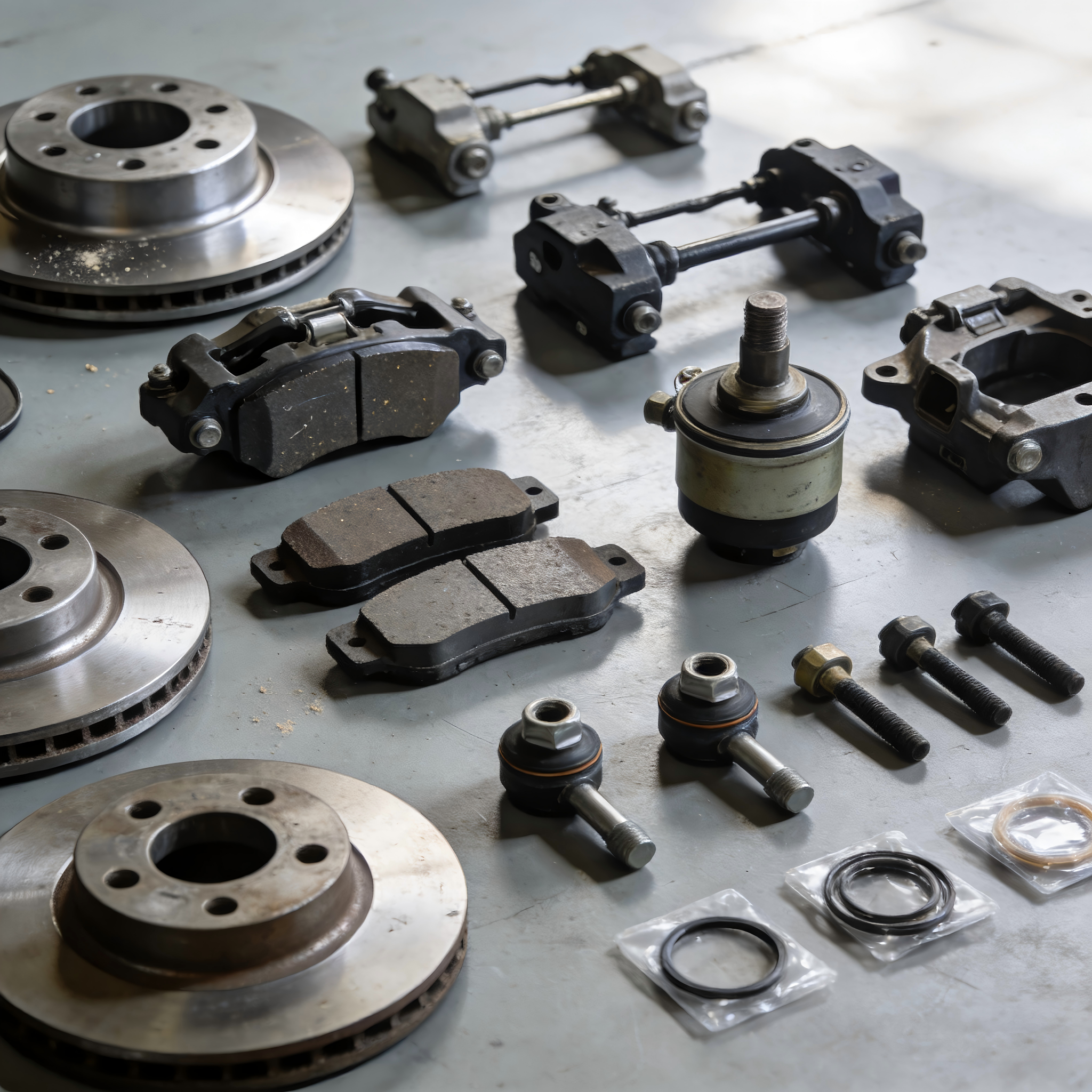
RFQ-Driven Sourcing
Buyers send RFQs with OE numbers, vehicle models, part lists, photos, quantities, and destination details. We structure the request before supplier outreach starts.
- RFQ intake and clarification
- Part lists, OE numbers, and vehicle data
- Built for importers, distributors, and wholesalers
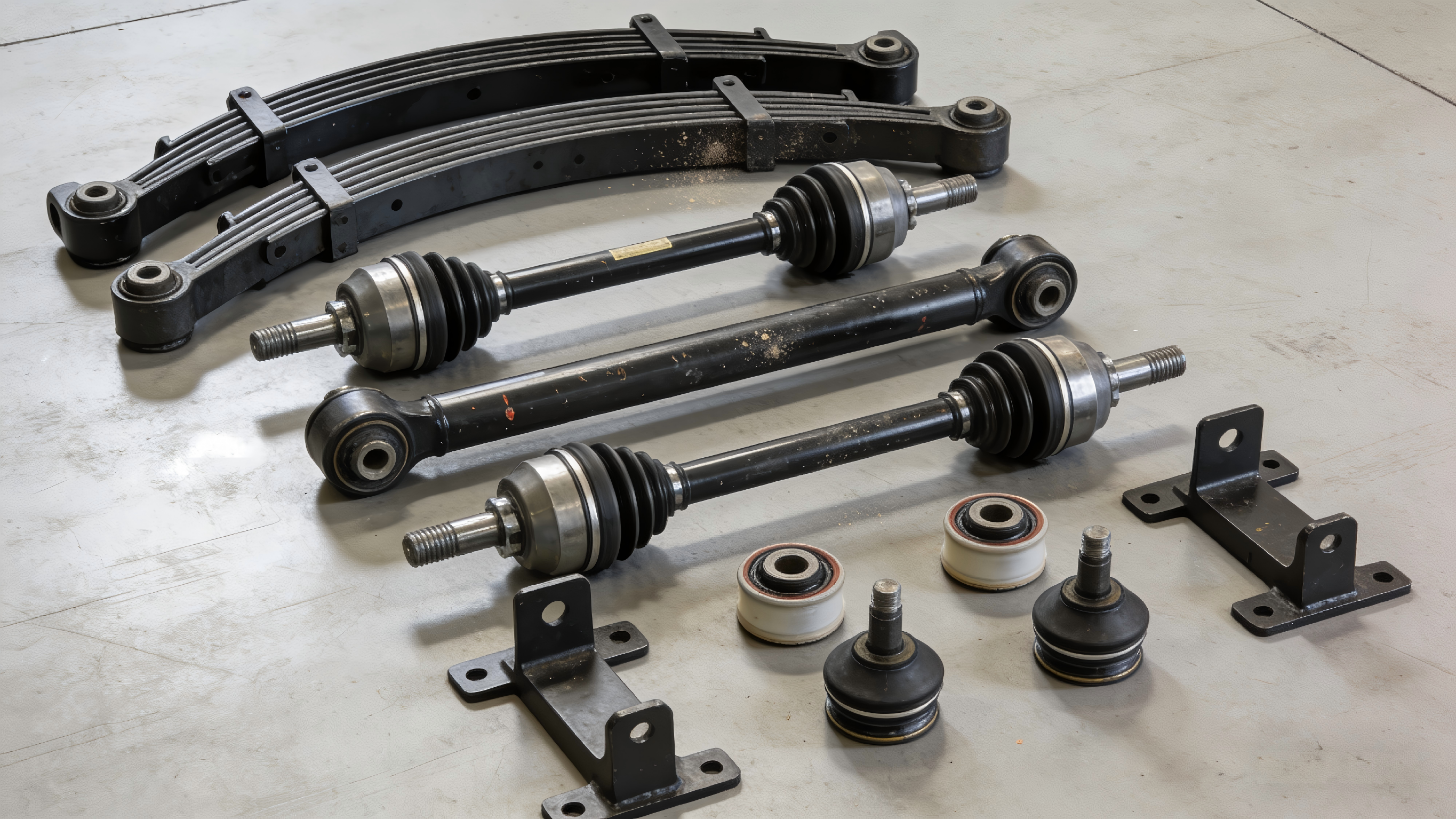
Product & Technical Matching
Before quotation, part matching is checked against OE references, EPC logic, vehicle platform information, and available technical details to reduce mismatch risk.
- OE and part-number review
- EPC and vehicle-platform matching
- Fitment checked before pricing
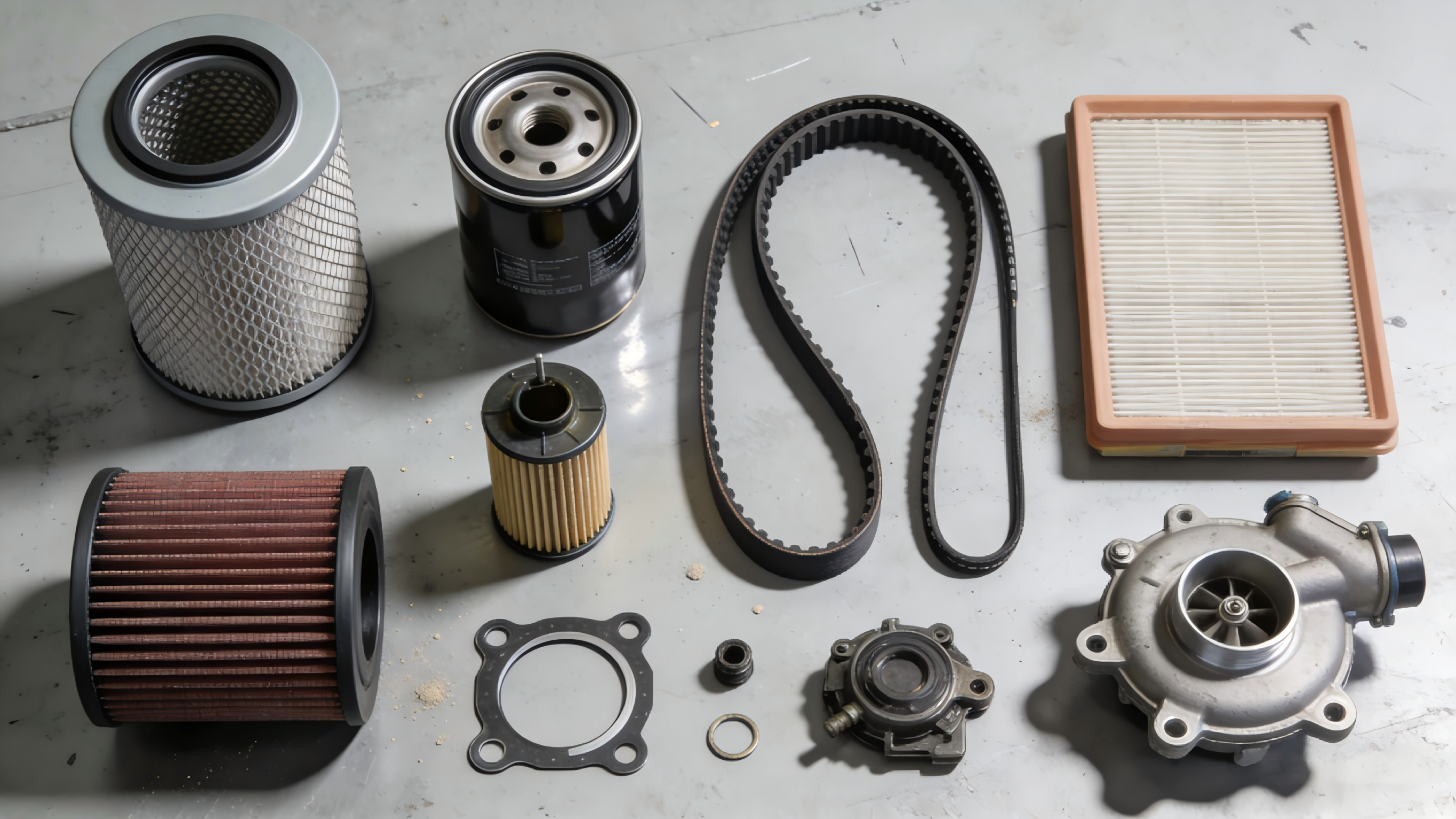
Supplier Sourcing
We identify suitable suppliers by product category, production relevance, and execution fit, with heavy-duty truck parts as a deeper strength while also supporting light- and medium-duty platforms.
- Factories selected by category fit
- Heavy-duty depth with broader truck coverage
- Focus on execution capability, not just catalog match
Execution Control After Supplier Selection
After supplier sourcing, the next stages are quotation alignment, order coordination, and shipment control, so the commercial logic is carried through into execution.
For a deeper explanation of quotation review, see how to compare supplier quotations. For a broader cost-and-turnover view, see how container consolidation improves inventory turnover.
Supplier options are compared on price, MOQ, lead time, technical fit, and execution reliability instead of simply forwarding whichever quote arrives first.
Multiple supplier quotations can be aligned into one clearer response with unified currency, Incoterms, validity, and item structure for easier review.
After order confirmation, production follow-up, QC checkpoints, and document review are tracked so the buyer can see how the RFQ moves into execution.
Send your RFQ with SKU list, OE or part numbers, quantities, destination, and packaging requirements. We can review the sourcing scope and reply with a practical plan for supplier comparison, consolidation, and balanced order planning.
FAQ
Quick answers for buyers who want a clearer view of how the sourcing model is handled.
Do you provide a full product catalogue?
The process is RFQ-first because technical matching and supplier comparison are more important than showing a broad catalogue. Send OE numbers, vehicle data, part lists, or photos and we will structure the request.
Can you help us optimize a mixed-SKU container instead of quoting one line only?
Yes. This is one of the main commercial advantages of the model. We can review the SKU mix, supplier options, and shipment structure so the order supports both lower landed cost and a healthier inventory position.
Can you handle private label packaging?
Yes. Share carton marks, label or barcode format, and any packaging requirements. These details can be checked during packing review before shipment.
What information helps you quote faster?
OE or part numbers, vehicle brand and model, quantities, destination, target Incoterms, and any technical or packaging notes help the RFQ move faster and with fewer clarifications.